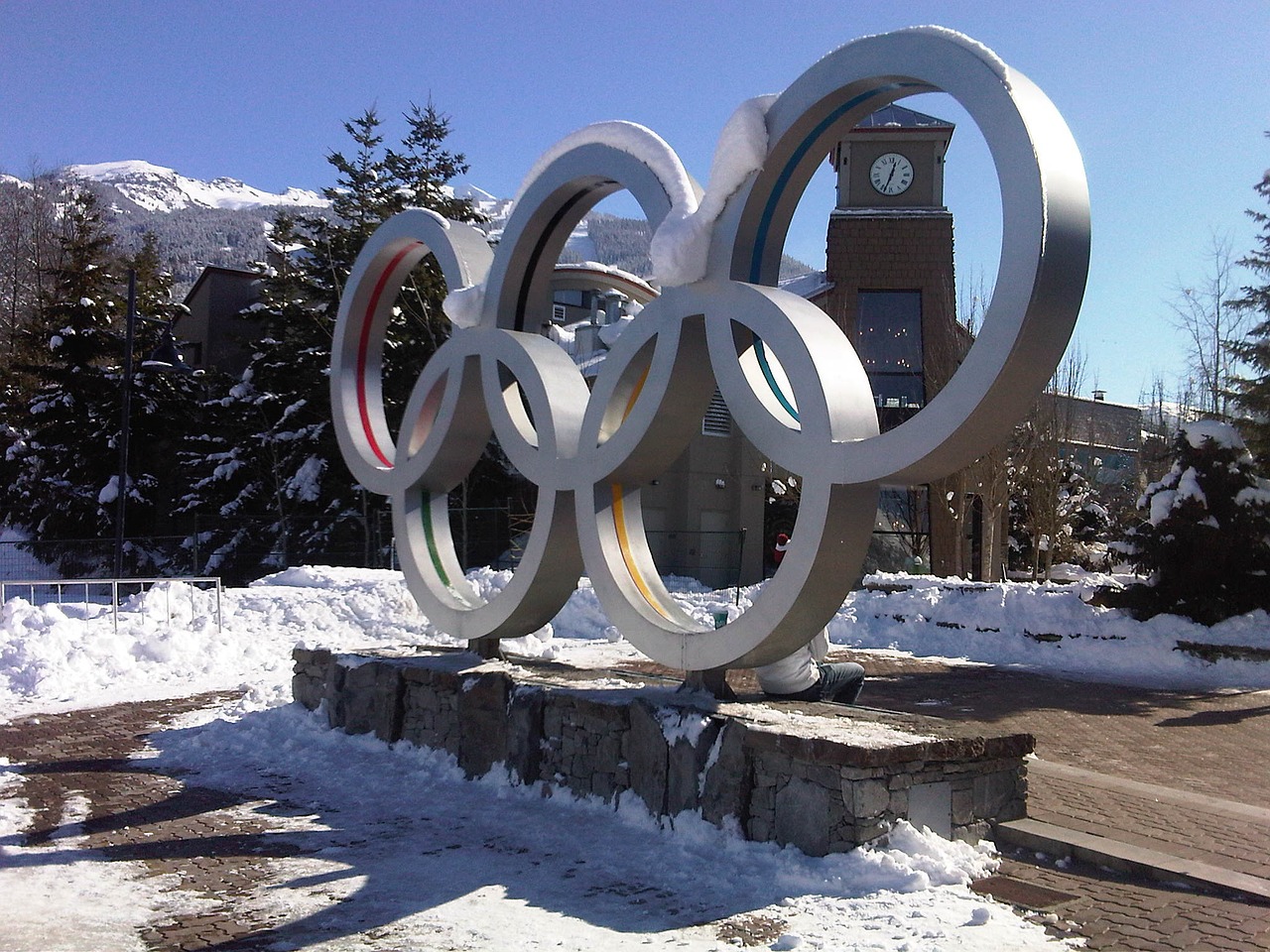
The Olympic Winter Games is the world’s most prestigious multi-sport event, held once every four years. It brings together the finest athletes from across the globe to compete in high-stakes snow and ice sports, blending intense professional competition with a unique spirit of international unity. From the historic peaks of the Alps to modern arenas, the Games transform their host regions into a vibrant, fan-focused festival celebrated for its legacy, breathtaking ceremonies, and the crowning of Olympic legends.
📅 When are the Winter Olympics?
The Games typically take place over 17 days in February. This window ensures peak winter conditions for outdoor events like Alpine Skiing and Snowboarding while serving as the centerpiece of the global winter sports calendar.
- Milano Cortina 2026: February 6 – February 22, 2026
- French Alps 2030: February 1 – February 17, 2030
- Opening Ceremony: Traditionally held on the first Friday evening.
- Closing Ceremony: Held on the final Sunday evening.
📍 Where are the Winter Olympics Held?
Unlike a single-venue tournament, the Winter Olympics are spread across host city clusters and mountain clusters to accommodate both ice and snow disciplines.
Upcoming Games
Milano Cortina 2026 (Italy) The 2026 Games will be hosted across Northern Italy:
- Milan Cluster (Ice Sports): Hosting Figure Skating, Short Track Speed Skating, and Ice Hockey.
- Cortina d’Ampezzo (Snow Sports): Hosting Women’s Alpine Skiing, Curling, and Bobsleigh/Luge/Skeleton.
- Valtellina & Val di Fiemme: Clusters for Men’s Alpine Skiing, Cross-Country Skiing, and Ski Jumping.
French Alps 2030 (France) The 2030 Games will span iconic French mountain regions:
- Nice Cluster: Planned to host the ice sports and the Closing Ceremony.
- Savoie & Haute-Savoie: Expected to host Alpine Skiing and Nordic events (Courchevel, Méribel, and La Clusaz).
- Briançonnais: Dedicated to freestyle skiing and snowboarding events.
A Legacy of Hosts
The Winter Olympics has traveled to many of the world’s most famous winter destinations since its inception:
- 2020s: 2022 – Beijing, China
- 2010s: 2018 – Pyeongchang, South Korea; 2014 – Sochi, Russia; 2010 – Vancouver, Canada
- 2000s: 2006 – Turin, Italy; 2002 – Salt Lake City, USA
- 1990s: 1998 – Nagano, Japan; 1994 – Lillehammer, Norway; 1992 – Albertville, France
- 1980s: 1988 – Calgary, Canada; 1984 – Sarajevo, Yugoslavia; 1980 – Lake Placid, USA
- 1970s: 1976 – Innsbruck, Austria; 1972 – Sapporo, Japan
- 1960s: 1968 – Grenoble, France; 1964 – Innsbruck, Austria; 1960 – Squaw Valley, USA
- 1950s: 1956 – Cortina d’Ampezzo, Italy; 1952 – Oslo, Norway
- 1940s: 1948 – St. Moritz, Switzerland
- Pre-War Era: 1936 – Garmisch-Partenkirchen, Germany; 1932 – Lake Placid, USA; 1928 – St. Moritz, Switzerland; 1924 – Chamonix, France
❄️ Tournament Format & Featured Events
The Winter Olympics features a massive program of 116 medal events across 16 disciplines. The competition is generally categorized into three main venue types:
- Ice Sports (Indoor Arenas):
- Ice Hockey (2): Men’s and Women’s tournaments featuring the world’s top professionals.
- Figure Skating (5): Including Men’s, Women’s, Pairs, Ice Dance, and the Team Event.
- Speed Skating (14): Head-to-head racing on a 400m oval.
- Short-Track Speed Skating (9): High-speed, tactical pack racing on a smaller 111m rink.
- Curling (3): Men’s, Women’s, and Mixed Doubles “chess on ice.”
- Alpine & Nordic Sports (Mountain Slopes):
- Alpine Skiing (10): Speed events (Downhill, Super-G) and technical events (Slalom, Giant Slalom).
- Freestyle Skiing (15): Including Moguls, Aerials, Halfpipe, Slopestyle, and Big Air.
- Snowboarding (11): Ranging from Halfpipe and Slopestyle to Parallel Giant Slalom and Cross.
- Biathlon (11): A grueling combination of cross-country skiing and precision rifle shooting.
- Cross-Country Skiing (12): Endurance racing over various distances in both classical and freestyle techniques.
- Ski Jumping (6): Large Hill, Normal Hill, and Team events judged on distance and style.
- Nordic Combined (3): A two-part sport consisting of ski jumping followed by a cross-country ski race.
- Sliding & Specialty Sports:
- Bobsleigh (4): Including the classic 2-man, 4-man, and the newer Women’s Monobob.
- Luge (5): High-speed descent lying on the back (Singles, Doubles, and Team Relay).
- Skeleton (3): Head-first descent on a small sled.
- Ski Mountaineering (3): The newest Olympic discipline (debuting in 2026), featuring Sprint, Individual, and Mixed Relay races.
Notable Olympic Legends
- Alpine Skiing: Mikaela Shiffrin, Alberto Tomba, Lindsey Vonn.
- Figure Skating: Yuzuru Hanyu, Michelle Kwan, Scott Moir & Tessa Virtue.
- Snowboarding: Shaun White, Chloe Kim.
- Speed Skating: Ireen Wüst, Eric Heiden.
🎟️ Tickets and Sessions to the Winter Olympics
Olympic tickets are highly coveted and require early registration.
- Official Ticket Route: All official tickets are sold through a centralized Olympic ticketing platform. Most host cities use a Lottery System where fans must register months in advance for the chance to purchase.
- Resale Platform: The IOC typically provides an official “Fan-to-Fan” resale platform to ensure ticket validity and prevent price gouging.
- Session Types:
- Preliminary Rounds: Often the most affordable way to see sports like Ice Hockey or Curling.
- Medal Sessions: High-demand sessions where the Olympic champion is crowned.
- Ceremonies: The Opening and Closing ceremonies are the most expensive and sought-after tickets.
- Hospitality Packages: Managed by the official partner On Location, offering premium seating and “Travel Packages.”
🚆 Travel & Transit Between Clusters
Olympic transit is designed to handle massive crowds, utilizing high-speed rail and dedicated shuttle systems.
International Arrival
- Air: For 2026, fly into Milan Malpensa (MXP). For 2030, Nice Côte d’Azur (NCE) and Geneva (GVA) will be primary hubs.
Local Transit
- Olympic Shuttles: Ticket holders often get access to “Spectator Shuttles” connecting train stations to remote mountain venues.
- Rail Links: Host countries usually increase frequency on national rail lines (such as Italy’s Trenitalia or France’s SNCF).
- The “Spectator Footprint”: Be prepared for significant walking; venues are often “car-free,” requiring a 15–30 minute walk to your seat.
🏨 Where to Stay
Due to the multi-cluster nature, your choice of accommodation depends on your favorite sports.
- City Stay: Best for fans of Ice Hockey and Figure Skating. In 2026, stay in Milan; in 2030, look toward Nice.
- Mountain Stay: Best for fans of Skiing and the classic “Winter Wonderland” vibe. Note that mountain accommodations often book out years in advance.
- The “Satellite” Strategy: Many fans stay in nearby cities and use the high-speed rail to commute to events to save on costs.
💡 Know Before You Go
- The “Fan Zone”: Every host city features an Olympic Park or Medals Plaza where fans can watch events on big screens, enjoy concerts, and trade pins.
- Security: Allow at least 90–120 minutes for security screening at every venue.
- Winter Gear: Mountain venues can be brutally cold. Wear thermal base layers and waterproof footwear.
- Connectivity: Download the official Olympic App before you go for real-time shuttle updates and mobile ticketing.
🔗 Helpful Links for Your Trip
- Official Milano Cortina 2026 Website
- Official French Alps 2030 Website
- International Olympic Committee (IOC)
- On Location (Official Hospitality)
Last Updated on February 11, 2026 by Sports Tourist