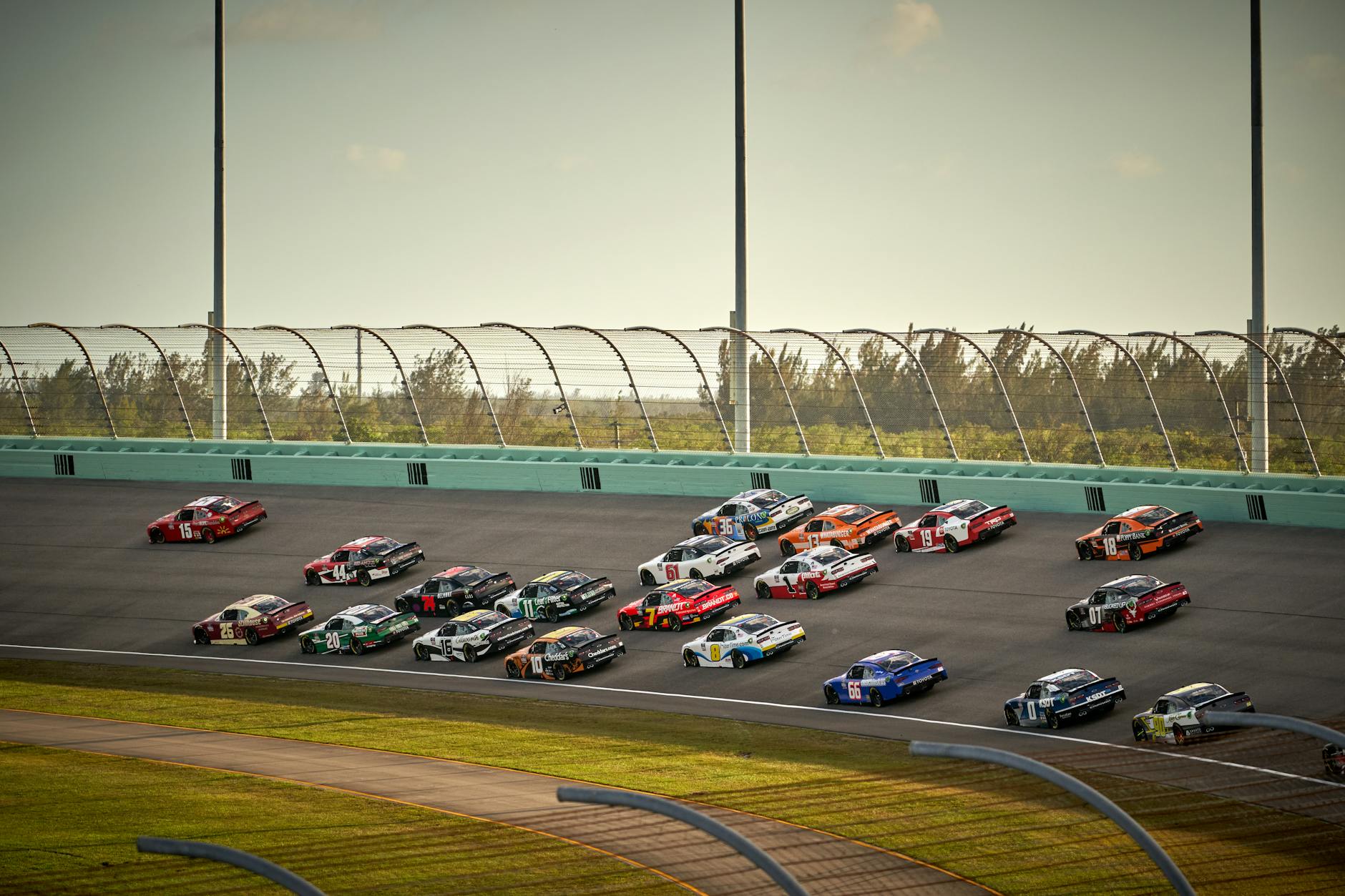
The NASCAR Cup Series is the most prestigious and popular stock car racing league in the world. Often described as “chess at 200 mph,” it is a high-octane blend of engineering excellence, driver bravery, and a deeply rooted American fan culture. Founded in 1948 by Bill France Sr., the series has evolved from races on dirt tracks and sandy beaches into a global sports phenomenon, featuring 36 points-paying races and a high-stakes playoff system that ensures drama until the final lap of every season.
📅 When is the NASCAR Season?
The season is one of the longest in professional sports, typically running from February to early November.
- The Launch: The season officially begins in mid-February with “Speedweeks” at Daytona, culminating in the Daytona 500.
- The Regular Season: Runs from February through late August, where drivers compete to secure a spot in the playoffs.
- The Playoffs: A 10-race elimination gauntlet starting on Labor Day weekend and ending with the Championship 4 finale in early November.
📍 Where is NASCAR Held?
Unlike a single-city tournament, NASCAR is a traveling circus that visits premier speedways across the United States. The sport’s “Cathedrals of Speed” include:
- Daytona International Speedway: The “World Center of Racing” and home to the Daytona 500.
- Charlotte Motor Speedway: The “Home Track” of NASCAR, located in the heart of North Carolina’s racing hub.
- Talladega Superspeedway: The biggest and fastest oval on the circuit, famous for “The Big One” (large multi-car accidents).
- Bristol Motor Speedway: Known as the “Last Great Colosseum,” this high-banked short track fits over 100,000 fans in an arena-style bowl.
🏎️ Who Competes in NASCAR?
NASCAR is a battle between major automotive manufacturers (OEMs) and several multi-car “super-teams.” While drivers change over time, the landscape is defined by these core entities:
The Manufacturers (The OEMs)
- Chevrolet: Campaigns the Camaro ZL1. They are the most winning manufacturer in NASCAR history and provide the technical backbone for many of the sport’s top teams.
- Ford: Campaigns the Mustang Dark Horse. Known for their engineering dominance on “superspeedways” like Daytona and Talladega.
- Toyota: Campaigns the Camry XSE. The newest manufacturer to the fold, Toyota is celebrated for its deep technical investment and driver development programs.
The “Super-Teams”
- Hendrick Motorsports (Chevrolet): The most successful team in NASCAR history, known for discovering legendary talents and maintaining a “gold standard” of performance.
- Team Penske (Ford): Led by “The Captain” Roger Penske, this team is famous for its discipline, championship-winning consistency, and cross-disciplinary success in IndyCar and NASCAR.
- Joe Gibbs Racing (Toyota): Founded by NFL coaching legend Joe Gibbs, this organization is the flagship for Toyota, consistently fielding title contenders.
- 23XI Racing (Toyota): A modern powerhouse co-owned by Michael Jordan and Denny Hamlin, representing the new era of high-profile ownership in the sport.
- Trackhouse Racing (Chevrolet): An “entertainment-first” team co-owned by Justin Marks and Pitbull, known for aggressive marketing and bringing international stars into stock car racing.
🏆 Notable Legends & Champions
- The Seven-Time Kings: Richard Petty (“The King”), Dale Earnhardt (“The Intimidator”), and Jimmie Johnson.
- Modern Champions: Drivers like Joey Logano, Kyle Busch, Chase Elliott, Ryan Blaney, and Kyle Larson represent the elite tier of current talent.
🏟️ The Fan Experience: The “Infield Village”
A NASCAR race is more than just the grandstands; it is a multi-day festival.
- The Fan Zone: Located outside the track, featuring interactive displays, driver Q&A stages, and massive merchandise haulers.
- The Infield: Often filled with thousands of RVs and campers, the infield is the social heart of the weekend, where “neighborly” tailgating is a way of life.
- Pit Road & Garage Access: With a “Pre-Race Track Pass,” fans can walk the pit road, see the cars up close before the race, and even sign the start/finish line.
🏁 Tournament Format & Major Events
NASCAR utilizes a unique “Playoff” system to determine its champion:
- The Regular Season: 26 races where a win almost guarantees a playoff spot.
- The Playoffs: 16 drivers qualify based on wins and points. Every three races, the bottom four drivers are eliminated.
- The Championship 4: The final race of the season where the highest-finishing of the four remaining contenders is crowned the Champion.
The “Crown Jewels”
- Daytona 500 (February): The “Super Bowl of Stock Car Racing.”
- Coca-Cola 600 (May): A grueling 600-mile test of endurance on Memorial Day weekend.
- Southern 500 (September): A high-stakes “throwback” race at Darlington, the track “Too Tough to Tame.”
- Brickyard 400 (July/August): Held at the historic Indianapolis Motor Speedway.
🎟️ NASCAR Tickets and Weekend Sessions
NASCAR weekends are structured to provide value over three days (Friday–Sunday).
- Friday/Saturday: Typically feature practice and qualifying sessions, along with races for the “Xfinity Series” (NASCAR’s version of Triple-A) or the “Craftsman Truck Series.”
- Sunday: The main event. Cup Series races usually start in the early to mid-afternoon, though night races are popular during summer months.
- Tickets: Ticketmaster is the official ticketing partner for NASCAR and Speedway Motorsports. While fans can still access tickets via individual track websites or NASCAR.com, they are processed through the Ticketmaster platform. Many tracks offer affordable “Family Sections” and heavily discounted (or even free) youth tickets for Friday and Saturday events.
🚆 Travel & Transit to the Tracks
NASCAR tracks are often located in rural areas, requiring specific travel planning.
- Air: Major hubs like Charlotte (CLT), Orlando (MCO), and Atlanta (ATL) serve the “Deep South” tracks.
- Driving: Driving is the primary mode of transport. Arriving 4–5 hours early is standard to enjoy the pre-race festivities and navigate traffic.
- Ride-Sharing: Designated “Ride Share” lot are available at most major tracks, though they often require a significant walk from the main gate.
🏨 Where to Stay
- Trackside Hotels: Many tracks (Daytona, Charlotte, Kansas) have hotels located directly on or adjacent to track property.
- City Centers: Staying in nearby major cities (e.g., Downtown Nashville or Uptown Charlotte) offers better dining and nightlife, but requires a commute to the track.
- Trackside Camping: Renting an RV and staying in the track infield is considered the “bucket list” way to experience a race weekend.
💡 Know Before You Go
- Ear Protection is Highly Recommended: These cars reach over 100 decibels. While not strictly mandatory for entry, it is strongly advised that you bring foam earplugs or rent a racing scanner to listen to driver-to-crew radio communications while protecting your hearing.
- Cooler Policy: NASCAR is one of the few sports that allows fans to bring their own soft-sided cooler with food and drinks (check specific track dimensions for compliance).
- Rain Policy: Since they cannot race on ovals in the wet, rain can lead to delays or “postponement to Monday.” Always check the forecast and have a flexible travel plan.
🔗 Helpful Links for Your Trip
Last Updated on January 30, 2026 by Sports Tourist